
How Water Damage Affects Structural Integrity and Building Materials
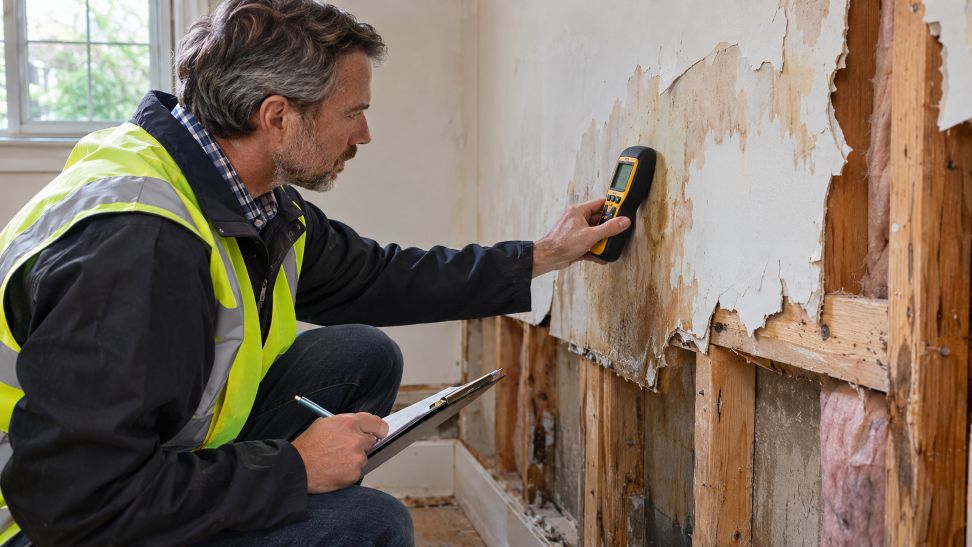
Water changes how building materials perform, especially when moisture remains trapped inside structural components. Timber can swell, drywall may lose its shape, and metal connections can corrode. Concrete and masonry can also experience moisture-related deterioration. These effects depend on the amount of water, exposure time, and material properties. For architects, engineers, and property owners, understanding moisture behavior helps protect structural integrity and building durability.
Water intrusion requires more than surface cleaning because moisture can travel behind finishes and into concealed spaces. Professional assessment and drying services, such as those discussed by Georgia Water Damage Restoration, address water removal, material drying, and repair following leaks or flooding. The U.S. Environmental Protection Agency (EPA) recommends drying wet building materials within 24 to 48 hours to reduce mold growth. However, structural recovery may require additional inspection and treatment.
How Moisture Interacts With Building Materials
Building materials respond differently to water because their density, porosity, and chemical composition vary. Some absorb water rapidly, while others resist penetration but retain moisture within joints or hidden cavities.
Building scientists distinguish between temporary surface wetting and prolonged saturation. Surface moisture may evaporate without lasting damage. Saturation allows water to penetrate deeper, increasing the likelihood of deformation, deterioration, and reduced material performance.
Timber and Engineered Wood
Wood absorbs moisture through its cellular structure. As moisture content rises, timber expands across the grain. Uneven absorption can cause warping, cupping, and splitting.
Prolonged dampness creates conditions for fungal decay. The USDA Forest Service Forest Products Laboratory explains that maintaining wood moisture content below approximately 20% helps prevent decay from developing.
Engineered wood products may experience additional problems. Repeated wetting can cause swelling, particularly along exposed edges. Adhesive bonds and structural connections also require examination after significant water exposure.
Drywall and Interior Finishes
Gypsum drywall absorbs moisture through its paper facing and porous core. Short-term exposure may cause staining, while prolonged saturation can produce swelling, softened surfaces, and weakened joints.
The EPA advises that drywall may remain in place when it has no significant swelling and its seams remain intact. Severely damaged sections generally require replacement.
Paint, wallpaper, and decorative coatings may also blister or separate as moisture moves through underlying materials.
Concrete and Masonry
Concrete and masonry contain pores that allow water movement through absorption and capillary action.
Temporary wetting does not necessarily weaken sound concrete. However, recurring moisture exposure can transport dissolved salts, damage surface coatings, and contribute to reinforcement corrosion.
Brick and concrete block walls may develop efflorescence, the white deposits left when dissolved salts reach the surface and crystallize.
Moisture trapped behind impermeable finishes can extend drying periods and complicate repairs.
Insulation Materials
Wet insulation may lose thermal effectiveness, particularly when water fills spaces normally occupied by air.
Fiberglass, cellulose, and other insulation materials respond differently to saturation. Some can retain moisture within wall cavities, increasing the risk of hidden deterioration.
The EPA recommends replacing water-damaged fiberglass and cellulose insulation under its clean-water damage response guidance.
How Water Damage Threatens Structural Integrity
Water damage becomes a structural concern when moisture affects load-bearing members, connections, or supporting materials.
Wood Decay and Loss of Strength
Persistent dampness supports fungi that break down wood fibers. Over time, affected beams, joists, and framing members may lose their ability to carry intended loads.
The USDA Forest Service notes that fungal decay can reduce mechanical properties before substantial visible damage appears.
Consequently, a wooden component may appear relatively intact while requiring professional structural evaluation.
Metal Corrosion and Connection Failure
Steel components and metal fasteners can corrode when moisture and oxygen reach exposed surfaces.
Corrosion may reduce metal thickness, weaken connections, and damage surrounding materials. In reinforced concrete, expanding corrosion products can create internal pressure, leading to cracking and surface spalling.
Inspectors should examine embedded fasteners, steel supports, and reinforcement where prolonged water exposure is suspected.
Material Deformation and Finish Failure
Moisture-related expansion can distort flooring, doors, wall panels, and architectural finishes.
Repeated wetting and drying may also weaken adhesives, separate flooring layers, and create uneven surfaces.
Although these problems sometimes appear cosmetic, they can indicate hidden moisture within supporting assemblies.
Assessing Water Damage Before Repairs
Reliable restoration begins with identifying the water source and determining how far moisture has traveled.
The Massachusetts Department of Public Health explains that building materials can remain wet without displaying obvious surface signs.
Several assessment methods help establish the extent of damage:
- Moisture meters: Measure or estimate moisture conditions in wood, drywall, and other materials.
- Infrared imaging: Identifies temperature differences that may indicate concealed moisture.
- Visual inspections: Reveal staining, deformation, corrosion, cracking, and deteriorated finishes.
- Structural evaluations: Determine whether damaged components require reinforcement, replacement, or further testing.
Infrared images do not directly measure moisture. Inspectors should verify suspected wet areas using suitable instruments.
Drying, Removal, and Structural Repair
Water damage recovery generally follows a sequence of source control, water extraction, drying, removal, and repair.
The National Institutes of Health (NIH) recommends identifying the water source, stopping further intrusion, and evaluating affected materials before choosing cleanup methods.
Dehumidifiers and controlled airflow can accelerate drying. Materials that cannot be adequately cleaned or dried may require removal.
Contaminated floodwater presents additional concerns. Cleaning procedures must account for possible sewage, chemicals, and microbial contamination.
Before rebuilding, qualified professionals should verify that structural members remain sound and moisture levels are acceptable. Installing new finishes over damp assemblies can conceal unresolved problems.
Preventing Moisture Problems Through Building Design
Effective moisture management begins during architectural planning and continues throughout building maintenance.
Roof drainage, flashing details, waterproofing membranes, and properly graded surroundings help direct water away from vulnerable assemblies.
Ventilated cavities and appropriate vapor-control strategies can reduce trapped moisture. Material selection should also reflect climate conditions and expected exposure. These principles are particularly relevant to modern architecture, where glass, steel, timber, and concrete are often combined in contemporary building designs. Each material responds differently to moisture, making proper detailing and drainage essential for long-term durability.
The EPA recommends controlling indoor humidity, repairing leaks promptly, and maintaining drainage systems to reduce moisture problems.
Ultimately, water-resistant design depends on managing how moisture enters, moves through, and leaves a building. Regular inspection, suitable construction materials, and timely repairs help preserve structural reliability while extending the useful life of architectural components.