
How Storage Cages Support Practical Architecture and Better Building Design
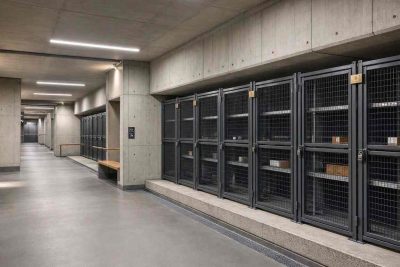 Architecture is judged by what people can see. We notice the shape of a building, the materials on the walls, the size of the windows, and the way rooms connect. Yet good architecture also depends on spaces that are less visible. Storage is one of them. A building can look attractive, but if people have nowhere safe and organized to keep their belongings, the design may not work well in daily life.
This is where storage cages Sydney can play an important role. A storage cage is a secure, enclosed area made from metal mesh or similar materials. It is often used in apartment buildings, commercial properties, warehouses, car parks, schools, and shared facilities. These cages give users a defined place to store items without taking up living or working space.
For architects, storage cages are not simply an extra feature. They can be part of the building plan from the beginning. When placed carefully, they improve how space is used, support security, and help shared areas stay neat.
Making Better Use of Building Space
One of the main goals of architecture is to use available space well. Apartments may have smaller rooms, offices may need flexible layouts, and shared buildings may have many people using the same facilities.
Storage cages can help by turning underused areas into useful storage zones. Basements, parking levels, service areas, and unused corners can often be adapted to hold secure cages. This allows residents, staff, or tenants to store bicycles, boxes, tools, sports gear, seasonal items, and other belongings outside the living or working areas.
This approach can make a building feel less cluttered. It also helps architects avoid making each apartment or office larger just to provide more storage. In some cases, shared storage can be more efficient than adding large cupboards to every room.
The location of storage cages matters. They should be easy to reach, but they should not block walkways, emergency exits, or access to building systems. Good planning also considers lighting, ventilation, and clear paths between cages. These details affect how safe and comfortable the storage area feels.
Architects may also think about how the cages fit with the building. In a modern apartment complex, clean metal mesh and simple frames can match an industrial or minimalist style. In a commercial space, cage systems can be arranged in a neat grid that supports function and order.
Balancing Security, Access, and Appearance
Storage areas need to feel secure. People are more likely to use them if they trust that their belongings are protected. Planners should think about the type of cage, the locking system, the height of the enclosure, and how the storage zone is monitored.
Metal mesh storage cages create a clear boundary while allowing visibility. This can make it easier for building staff or security teams to see inside shared storage areas without opening every unit. It may also help with airflow in enclosed spaces such as basements.
Access is just as important as security. A storage cage should be easy for the intended user to reach. If people need to carry boxes, bicycles, or equipment, the doors and paths should be wide enough. The floor should also be level and suitable for regular movement.
In larger buildings, architects may group cages by apartment number, department, or tenant. Clear labeling can reduce confusion and make the storage area easier to manage. A dark storage room can feel unsafe, even if the cage itself is strong.
Appearance should not be ignored. Storage cages are often placed in service areas, but they may still be visible to residents, visitors, or staff. A neat layout can improve the overall impression of the building. Straight lines, matching panels, consistent door sizes, and tidy numbering help create a professional look.
Some projects may use powder-coated finishes or different metal treatments to match the building interior. This shows how a practical feature can still support the architectural style.
Designing Storage That Supports Daily Life
The best building designs support the way people actually live and work. Storage is part of that experience. People need places for items that do not belong in bedrooms, offices, hallways, or common rooms. Without enough storage, these items often end up in places where they create clutter or safety problems.
Storage cages give architects a flexible way to meet this need. They can be used in residential towers for bicycles and seasonal goods. They can support retail buildings by holding stock or equipment. In schools, they may store sports gear or maintenance tools. In warehouses and industrial properties, they can separate valuable materials from general work areas.
Their modular design is another benefit. Cage systems can often be adjusted if the needs of the building change. A large storage zone can be divided into smaller units, or several sections can be combined.
Architects should also think about long-term maintenance. Storage cages should be made from materials that can handle regular use. Hinges, locks, and frames should be easy to inspect and repair. If the cages are placed in damp areas, suitable finishes can help reduce corrosion.
Building rules and safety requirements must also be considered. Storage areas should not interfere with fire systems, emergency access, or ventilation. Heavy or hazardous items may need separate rules or may not be suitable for shared cages. The final design should support both convenience and responsible use.
In many projects, storage cages are a simple solution to a common problem. They help create order without taking valuable space away from the main parts of a building. They can improve security, reduce clutter, and make shared areas easier to manage.
Architecture works best when every part of a building has a purpose. Storage may not be the most visible feature, but it has a strong effect on how people experience a space. By planning storage cages carefully, architects can create buildings that are attractive, practical, organized, and easier to use every day.